
Learn how easy it is to make a salmon poke bowl at home! Cubes of sushi-grade salmon soak up a savory soy-sesame marinade, then get layered over rice with quick pickled cucumbers and spicy sriracha mayo.

Jessica’s Recipe Science
- Marinating salmon in soy sauce imparts umami flavors and slightly cures the surface, enhancing texture and taste by altering the fish’s protein structure.
- A hot vinegar-honey brine quickly pickles the cucumbers in just 10 minutes, adding tangy flavor while keeping them crunchy.
- Sriracha gains its distinctive heat and complexity from fermenting chili peppers, intensifying flavors in marinades and sauces.
Featured Comment 117
“This salmon poke bowl is a 10/10! Will make again! The pickled cucumbers were EXCELLENT.”—Jessica C.
Why It Works
Poke is easy to prepare! It’s made with marinated raw fish, and you can customize it with all your favorite ingredients. I made these spicy salmon poke bowls using the highest-quality sushi-grade seafood.
Fresh salmon is one of my favorite kinds of fish for poke because of its rich flavor and buttery texture. In this recipe, you’ll learn how to season the fish with an umami-packed sauce, pickled cucumbers, and sriracha mayo to layer into the bowl. It’s a simple gourmet dish for lunch or dinner that you can make right at home.
Jump To a Section
Ingredients You’ll Need
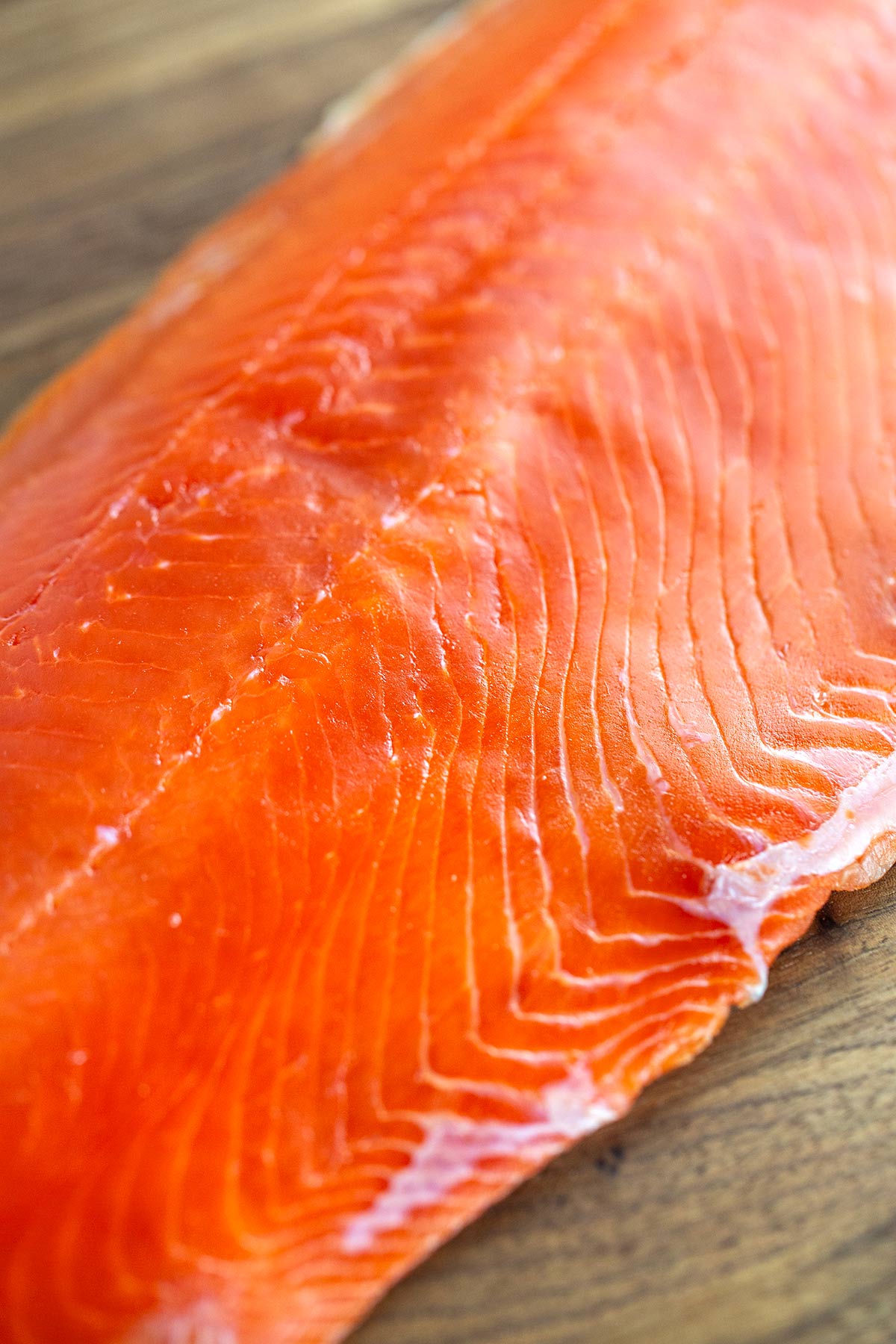
- Salmon: Wild Alaskan salmon is the best in terms of quality and taste. When eaten raw in these salmon poke bowls, the texture is very tender. Farm-raised salmon tends to be richer in mouthfeel. At the grocery store, ask the fishmonger if the salmon is sashimi-grade or sushi-grade. If not, use high-quality frozen sushi-grade salmon.
- Poke Sauce: A savory combination of soy sauce, rice wine vinegar, sriracha, sesame oil, green onions, and sesame seeds.
- Pickled Cucumbers: I like to use small Persian or English cucumbers because of their crisp texture and smaller seeds. Slices are soaked in rice wine vinegar, water, honey, salt, and red chili flakes.
- Base and Toppings: The salmon poke bowl can be served with sushi rice and salad greens as the base. My favorite toppings include sliced red cabbage, shredded carrots, seaweed salad, edamame, sesame seeds, creamy avocado, togarashi, and pickled ginger. Feel free to experiment with different flavor combinations, like adding steamed broccoli!
See the recipe card below for all ingredients and measurements (US and metric).
Ingredient Substitutions
This salmon poke bowl recipe is easy to customize! Try these flavorful options:
- Fish Options: Different types of salmon, such as King, Sockeye, or Scottish, can be used. Make sure it’s sushi-grade fish that’s safe to eat raw! If you are unsure about eating raw fish, I have also cut them into chunks and pan-seared, baked in the oven, or air-fried them. For a cooked twist, brush the salmon with teriyaki sauce before baking. Switch it up and try my tuna poke recipe.
- Make it Gluten-Free: Instead of soy sauce, use coconut aminos or gluten-free tamari.
- Vinegar Swap: Mild apple cider vinegar is a good substitute for rice wine vinegar.
- Sweetener: Maple syrup, agave, or granulated sugar can be swapped for honey.
- Hot Sauce: Instead of sriracha, use chili paste, gochujang, or chili crisp.
- Mayonnaise: For a lighter sriracha sauce, use plain Greek yogurt instead of mayonnaise. Add water as needed to thin out the consistency.
- Rice: Steamed white rice, brown rice, medium-grain Calrose, or Japanese sticky rice are great choices.
How to Make Salmon Poke Bowls

Step 1: Make the Salmon Poke
Cut the fillet into ½ to 3/4-inch pieces. I have a guide on how to remove salmon skin if it’s still attached. In a medium bowl, combine the salmon with the soy sauce, green onions, rice wine vinegar, sriracha, sesame oil, and sesame seeds.

Let the fish marinate in the refrigerator while you prepare the pickled cucumbers. Just 15 minutes can enhance the taste.

Step 2: Make the Pickled Cucumbers
Make the pickling solution by boiling the water, rice wine vinegar, honey, salt, and red chili flakes. Add the sliced cucumbers and soak for 10 minutes. To quickly chill the vegetables, transfer them to a bowl and place them in the freezer or refrigerator for 5 to 10 minutes.
Pro Tip: The pickled cucumbers can be stored in an airtight container in the refrigerator for up to 5 days.

Step 3: Make the Sriracha Mayonnaise
For those who like a little extra heat, make a creamy Sriracha sauce. I use mayonnaise combined with the spicy chili sauce. Drizzle some on top or serve on the side to dip the marinated pieces of fish.

Step 4: Assemble the Bowl
This is where you can add your own spin to the salmon poke bowl! Add layers of steamed rice and salad to build a sturdy base. I like to pack the bowl with veggies like crunchy cabbage, carrots, and avocado slices.
Add the pickled cucumbers and spicy sauce. Sprinkle with sesame seeds and green onions, and you’re ready to dig in.
Frequently Asked Questions
Raw pieces of diced fish marinated in soy sauce, vinegar, and sesame oil. Other seasonings like chili flakes or paste, green onions, and sesame seeds can be added.
The salmon is marinated in a savory poke sauce made with soy sauce, rice wine vinegar, sriracha, sesame oil, green onions, and sesame seeds. I like to drizzle creamy sriracha mayonnaise on top or serve it on the side for dipping.
Wild Alaskan salmon, like sockeye, is the best in terms of quality and taste, and it’s very tender when eaten raw. King and Scottish salmon also work. Ask the fishmonger if the salmon is sashimi-grade or sushi-grade. If not, use high-quality frozen sushi-grade salmon.
To reduce the risk of foodborne illness from consuming raw fish purchased at the supermarket, buy “sushi-grade” or “sashimi-grade” salmon. This can be found on the package of frozen products or inquired about when at the market. Flash-frozen salmon is safest to use, as the freezing process kills parasites that might be present in the flesh. Always use a clean knife and cutting board when preparing the fish.
Yes! If you’re unsure about eating raw fish, cut the salmon into chunks and pan-sear it, bake it in the oven, or air-fry it before building the bowl.
Many frozen fish fillets come in a vacuum-sealed package. Allow the fish to thaw overnight on a paper towel-lined sheet pan in the refrigerator. This keeps the raw fish out of the temperature danger zone. It should be cool, flexible, and not icy. Do not refreeze the fish, as the texture and quality of the salmon will not be as good.
If making the poke bowls the same day, place the package of frozen fish in a pan or bowl of cold water. Check every 30 minutes, replacing the water as needed. Depending on the size, this will take 2 to 3 hours.
It’s best to eat the salmon poke the same day it’s made. The pickled cucumbers and sriracha mayonnaise can be made up to 5 days ahead and stored in the refrigerator.
The marinated fish is poke. When paired with rice, salad, and additional toppings like crab, avocado, seaweed salad, or other vegetables, it transforms into a heartier meal served in a bowl.
More Seafood Favorites



If you tried this Salmon Poke Bowl, please leave a 🌟 star rating and let me know how it went in the 📝 comments below!
Salmon Poke Bowl

Ingredients
Salmon Poke
- 1 pound salmon, cut into ¾" cubes
- ¼ cup soy sauce
- 2 tablespoons sliced green onions
- 1 teaspoon rice wine vinegar
- 1 teaspoon sriracha
- 1 teaspoon sesame oil
- ½ teaspoon sesame seeds
Pickled Cucumbers
- ½ cup rice wine vinegar, Kikkoman
- ½ cup water
- ⅓ cup honey
- 1 teaspoon kosher salt
- ½ teaspoon red chili flakes
- 2 6-inch Persian cucumbers, ⅛" thick slices
Sriracha Mayonnaise Sauce
- 2 tablespoons sriracha
- 2 tablespoons mayonnaise
Instructions
- Make the Salmon Poke – In a medium bowl, combine diced salmon, soy sauce, green onions, rice wine vinegar, sriracha, sesame oil, and sesame seeds. Cover and refrigerate while making the pickled cucumbers.
- Make the Pickled Cucumbers – In a medium saucepan, combine rice wine vinegar, water, honey, salt, and chili flakes. Bring to a boil over high heat. Once boiling, turn off the heat, add cucumber slices, and stir.Marinate for 10 minutes, then transfer the cucumber mixture to a container. Cover and refrigerate until ready to use, or freeze for 5 to 10 minutes to cool quickly.
- Make the Sriracha Mayonnaise – In a small bowl, whisk the sriracha and mayonnaise until combined.
- Assemble the Bowl – To serve, add any additional ingredients to the bowl, such as rice or salad for the base. Top with salmon poke, pickled cucumbers, and sriracha mayonnaise.
Notes
- Salmon Selection: Purchase sashimi-grade or sushi-grade salmon.
- Sriracha Substitute: Use garlic chili sauce, chili paste, chili crisp, or gochujang.
- Cucumber Substitute: Slice about 1 cup of English or regular cucumbers.
- Make-Ahead: The pickled cucumbers and sriracha sauce can be made up to 5 days in advance and refrigerated. It’s best to eat the salmon poke on the same day of preparation.
Nutrition Facts
Percent Daily Values are based on a 2000-calorie diet. All nutritional information is based on estimated third-party calculations. Each recipe and nutritional value will vary depending on the brands you use, measuring methods, and portion sizes per household.




barb says
Amazing recipe! Thank you!
We’ve made this many times! And always a variation of ingredients! this recipe is easily adaptable!
Jessica Gavin says
So happy that you are enjoying the salmon poke bowl recipe and switching things up, Barb!